
Clinical Negligence Is Rarely One Mistake: Optimal Solicitors On The Missed Chances That Can Change Lives
Clinical negligence is rarely about one isolated mistake. In many cases, it is a series of missed opportunities: a symptom not acted on, a deterioration not escalated, a handover not completed properly, or a family’s concerns not fully heard.
As Maria Farrell joins Optimal Solicitors with experience in both clinical negligence and serious injury claims, she explores how these issues can affect patients and families – and why clear answers, early support, and learning from harm matter.
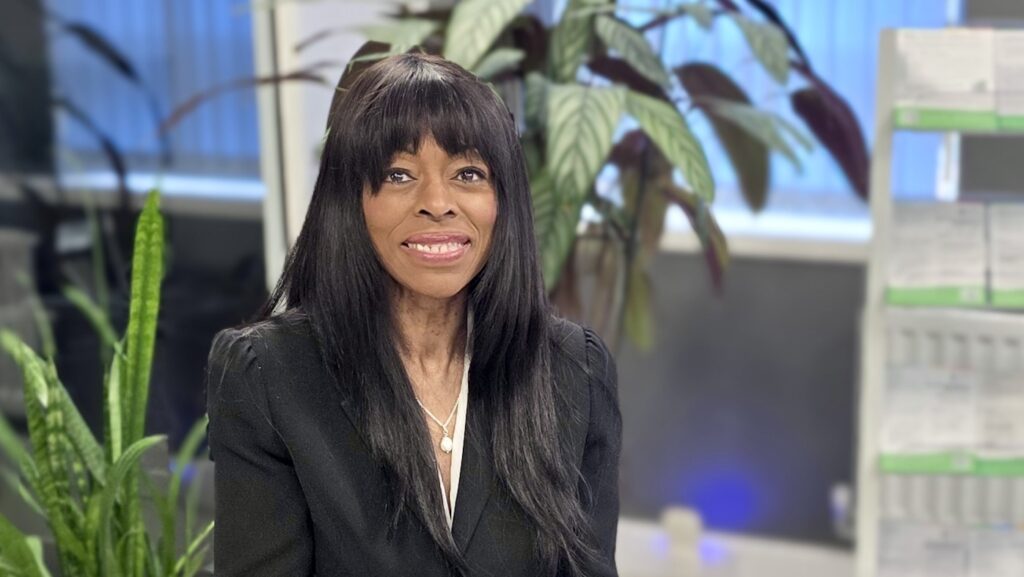
| Maria Farrell is an experienced solicitor with accreditations on The Law Society panel for clinical negligence and as a Senior Litigator for the Association of Personal Injury Lawyers. She joins Optimal with over 25 years’ experience across medical negligence and serious injury claims, and strongly aligns with Optimal’s unwavering commitment to client care. |
Maria’s work focuses on supporting patients and families after difficult, often life-changing outcomes. She helps them understand what happened, what support may be available, and what steps they can take next.
With family in the medical profession and the greatest respect for the NHS, Maria connects with the technicalities of this field of law. But above all, she is driven by assisting people who are in distress, need answers, and have nowhere else to turn after being let down by a diagnosis or clinical treatment. Here are her thoughts on the matter.
What are the most common issues behind clinical negligence claims?
Systemic, repeated failures that are not learned from put current and future patients at risk. From communication breakdowns to not following guidelines, poor treatment is typically characterised by a trail of repeated missed opportunities to really listen to patients. When symptoms or concerns are not being heard, the opportunity to spot or treat an issue early is often missed, leading many patients to suffer avoidable injury or life-changing outcomes.
While negligence can arise at any stage of a patient’s journey, the initial stages are critical. When patients are attempting to communicate issues, a failure to spend time listening can lead to unidentified issues and, ultimately, inaccurate diagnoses. One communication breakdown or misdiagnosis early in the chain leads to a domino effect where the patient’s safety suffers – and we see this time and time again.
This is particularly common among patients whose first language is not English, or those of the BAME community, who are often unfairly judged to have a higher pain threshold. While these are specific examples, the failure to properly listen to and clarify patient concerns across the board is one of the most defining issues behind clinical negligence claims.
What can the NHS learn to prevent avoidable harm and build patient trust?
The vast majority of NHS staff want to help. Medical professionals are hard-working, and nobody wants to let a patient’s condition deteriorate. But to improve patient safety, there needs to be a culture change and hard lessons taught about previous failures.
When it comes to areas of improvement that could help significantly reduce avoidable harm, the following come to mind:
- Early escalation – Escalate serious issues quicker. Failure here can and does cause catastrophic problems for patients.
- Accurate record-keeping – When even the smallest details aren’t recorded properly, the knock-on effect can be devastating. The next staff member can only act on the information provided to them.
- Duty of candour – This is a legal and professional rule that forces health staff and hospitals to be open and honest with patients and their families when medical care goes wrong. However, it’s often not implemented, which leaves patients feeling let down and more likely to turn to solicitors for answers.
Having a policy and addressing procedural change on paper is vastly different to delivering safe care in practice, and here lies the issue. Reviews and reports to address incidents of avoidable harm do take place, but they are essentially pointless if the recommendations aren’t systematically implemented. When the paper-pushing evolves into repeated action, care will improve, escalations will reduce, patients will be safer, and the NHS will save more lives and money.
What are some of the most prevalent case themes in clinical negligence?
No single clinical negligence case is more important than another. As a firm that places client care at the forefront, the level of professionalism and empathy Optimal Solicitors provide is the same regardless of the injury. However, particular case themes stand out for the number of repeated incidents that occur, and the level of extreme tragedy that comes with them, such as birth injuries.
Alarm bells and red flags have been ringing for decades, with seemingly little significant change. It takes exceptional campaigners, such as Donna Ockenden, to finally make trusts stand up and take notice.
| How is Donna Ockenden fighting for families affected by clinical negligence in maternity care?
Donna is a midwife and community activist who was commissioned in 2016 to chair an independent review into maternity services at Shrewsbury and Telford Hospital NHS Trust. Now, she leads a team of experienced doctors and midwives working in maternity services across England to review cases. Over the past decade, she has become a prominent advocate for families affected by avoidable harm during pregnancy, childbirth, and neonatal care. Bereaved families see her as someone who prioritises patients over institutional interests. She aims to make maternity care safer by ensuring that NHS services listen to families, learn from mistakes, and prevent avoidable harm to mothers and babies. |
The themes Donna investigates can provide learning points for all other areas of care when it comes to improving patient safety. It’s about listening early and learning from mistakes – not just on paper, but in practice.
What is the deeper human impact of clinical negligence and how do we support clients?
As solicitors, we regularly help clients find answers to why they weren’t listened to, and why appropriate care wasn’t provided. Unfortunately, we often hear the same thing: “nobody explained to me what happened.” When clients are left with avoidable and irreversible injuries, they deserve to know why things went wrong. This can be a distressing process, and it’s our job to support them through that.
The longstanding impact that clinical negligence can have on patients and families is often misunderstood. Many injuries last a lifetime, and those individuals who do make full physical recoveries are often left with the psychological impact. That’s why it’s crucial to demonstrate that we do understand. Firstly, we reassure clients that we really are listening and that they are heard. And secondly, we guide them to an outcome that gives them answers and supports them to move forward with their life.
It’s important to recognise that, in order for individuals to reach out to us, trust must have already been broken by medical practitioners at potentially the most critical time of their lives. It’s our job to provide a level of client care that puts trust front and centre, and helps clients regain a degree of control over a future that has been taken away from them.
What’s the one thing healthcare providers and trusts should take away?
Better listening is the foundation of positive change. Clinical negligence cases are infamously characterised by a series of missed opportunities for medical practitioners to communicate effectively and really hear genuine concerns from their patients. Getting this right early can make the world of difference in avoiding critical mistakes, tragedies, and fatalities.
At Optimal, we recognise that humans make mistakes. And this is where the duty of candour must be unconditionally followed – to provide open, honest, and transparent communication with patients and their families when something goes wrong.

We know the law, and we’re here to listen
Patients have a right to be heard and treated with proper care. When that fails, they need someone who knows the law, will genuinely listen, will bring clarity where there was confusion and, most importantly, will empathetically manage expectations to help them find a path forward. This is what makes a truly effective medical negligence solicitor.
We’d like to thank Maria Farrell for contributing her expertise and honest opinions as she begins her journey with Optimal. We’re excited to continue building upon our specialism in this area with Maria’s support. With her steadfast commitment to client care and decades of experience, we are in a stronger position to help more individuals affected by clinical negligence.
If you have a clinical issue that you think should have been handled differently and need an experienced professional to hear you, please don’t hesitate to get in touch. Our team is here to listen and support you.